

Blog Post
The Six Scariest Looking Trees in the World
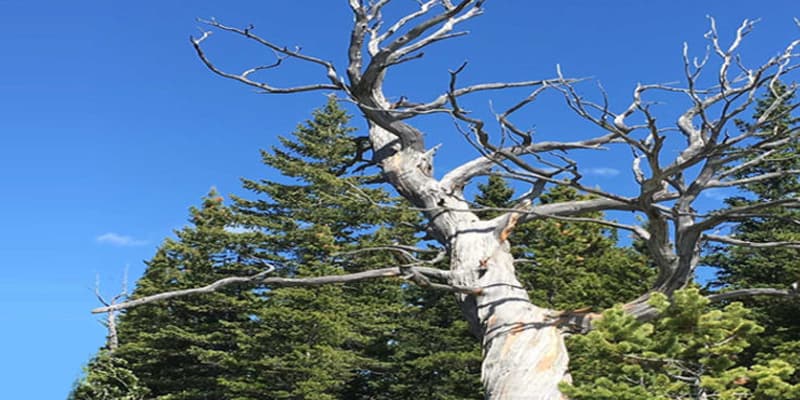
When people are asked to think of something scary, their first thought isn’t usually a tree. Trees are often described as beautiful and majestic, not terrifying and unnerving. However, with their gangly limbs, twisted trunks and dead bark, some trees can actually be pretty scary. Not convinced? The following six trees will show you just…
Read MoreIs Your Tree Suited for a Tree House?
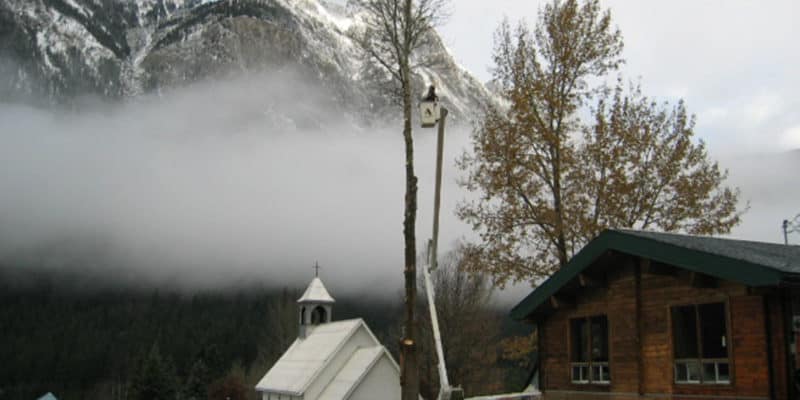
Childhood is a time of wonder and imagination, and playing outdoors gives children a place to explore worlds of their own creation without relying on digital entertainment sources. One perfect environment for kids to cultivate a vivid imagination is a private tree house. In a tree house, kids can pretend to be high-seas pirates, adventurous…
Read MoreTrees through the Ages: Trees in Mythology
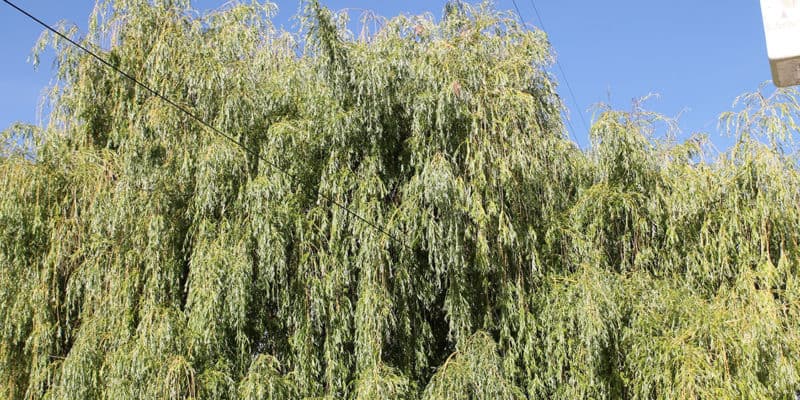
Since the beginning of history, humankind has regarded trees with wonder. Almost without exception, every people, through religion and culture, features myths and legends about trees. Many of these cultures still revere specific tree species today because of these stories and use them in their landscaping.
Read MoreNutrient Deficiency
Learn the Causes of Poor Growth & Yellow Leaves Nutrient deficiency is the most common and serious cause for poor tree health in our region. Poor growth, lack of vigor, twig and branch dieback, pale green or yellow leaves are all symptoms of nutrient deficiency. Poor soil and soil with high alkalinity are the two…
Read MoreMechanical Injury
Treat the Wounds to Your Trees Regardless of the cause of injury, all wounds should be treated the same. Do not use pruning paint! Tar and heavy coatings of asphalt all tend to seal in decay and prevent or inhibit the production of callous tissue around the wound site. Generally, all that is needed is…
Read MoreFall Needle Shed
Causes of Needle Browning & Needle Shed Yellowing and browning of needles in the fall is a normal occurrence on pine, spruce, cedar and juniper. The discolouration, which affects the older needles closer to the trunk, can begin in early August and continue until freeze up. Needle drop can occur in the fall or over…
Read MorePlant Problems
Injuries, Nutrient Deficiencies & More Sometimes your trees and shrubs will experience noticeable problems for reasons that are not immediately apparent, and are not due to insects or disease. At ArborCare Tree Service, serving clients across Calgary and area, we have the experience necessary to help keep your plants healthy. Whether your birch is suffering…
Read MoreSeptoria Canker
Recognize Canker Spots in Your Trees Septoria canker is a fungal leaf spot disease of poplars and willows. There are several different species and forms of this disease. All produce typical brownish or black spots on leaf surfaces, malformed leaves, and can cause early defoliation. In more susceptible species, conspicuous overwintering cankers are formed, which…
Read MoreDutch Elm Disease
Preserve Your Elms & Keep Them Healthy Dutch Elm disease (DED) was first introduced to North America from Europe in 1930, since then it has destroyed millions of American Elm trees across North America. The causative agent of DED is a fungus, Ophiostoma ulmi or Ophiostoma nova. Fungal spores are spread from one elm tree…
Read MoreDisease
Tree Disease Treatment in Calgary, Edmonton, Kelowna & All Calgary and area Fight Off Fungal Diseases & More ArborCare Tree Service takes the threat of disease very seriously. We provide extensive Tree Disease Treatment to clients across Calgary and area, including Calgary, Edmonton, and Kelowna. If your trees or shrubs are exhibiting signs of sickness,…
Read More